Why Car Meets Are Making a Comeback in 2026
What Actually Happened to Car Meets
Car meets never disappeared. But between 2020 and 2023 they were significantly disrupted — first by pandemic restrictions that made large gatherings impossible, then by a wave of crackdowns from local authorities who had grown tired of noise complaints, reckless driving incidents, and the occasional car fire that made the national news for all the wrong reasons. The image problem was real. A small minority of attendees at large, unorganised meets were doing enough damage to get the whole culture tarred with the same brush. Parking lots started putting up barriers on weekend nights. Shopping centres hired security specifically to move enthusiasts on. Some cities introduced ordinances that made informal gatherings of modified vehicles a ticketable offence. That era is largely over — and what replaced it is considerably more interesting.Why Car Meets Are Growing Again in 2026
Organised Formats Have Replaced Chaos
The meets that are thriving in 2026 are overwhelmingly organised rather than spontaneous. They have event pages, designated venues, start and end times, sometimes a small entry fee that covers venue hire and charity donations. They have marshals. They have photography spots. They have coffee. This shift happened organically. Enthusiasts who wanted to keep the culture alive figured out that the way to do it was to make meets look like events rather than congregations. The result is a format that local authorities are far more willing to permit and that attracts a broader demographic — families, older enthusiasts, people who would never have attended an underground car meet but will absolutely spend a Sunday morning at a well-run automotive gathering.Social Media Has Changed the Discovery Problem
For most of the 2010s, finding a local car meet meant knowing the right people or stumbling onto a forum thread that might be three years out of date. The meet was either word of mouth or nothing. Instagram, TikTok, and dedicated apps like Waze Events and Dyno have changed this completely. A meet organiser can post an event on Instagram on Thursday and have three hundred RSVPs by Friday evening. Attendees can share location tags in real time. Photographers post galleries within hours. The visibility loop accelerates everything — a well-photographed meet generates content that promotes the next one.The New Generation of Car Enthusiasts Is Different
The enthusiasts who started getting into cars during and after the pandemic are, broadly speaking, more community-oriented and less performance-fixated than the previous generation. They are interested in cars as a social experience — the gathering, the conversation, the shared appreciation — as much as in outright performance. This has made meets more inclusive. You will find air-cooled Porsches parked next to diesel estate cars, classic Minis alongside modified JDM imports, electric vehicles alongside V8 muscle. The tribalism that used to define car culture — where you were either a JDM person or a European car person or a muscle car person — has softened considerably.Remote Work Changed Weekend Behaviour
This one is underappreciated. The normalisation of remote and hybrid working gave a significant portion of the working population their weekends back in a meaningful way. Sunday morning is no longer recovery time for an exhausting commute week — it is discretionary time, and a well-organised car meet at 8am fits perfectly into it.What the Best Car Meets Look Like in 2026
Not all meets are created equal. The ones worth attending in 2026 share a consistent set of characteristics:- A defined theme or format — all-Japanese, all-European, classic only, modified only, or open to all but with a photography focus. A meet with a identity attracts people who share that identity
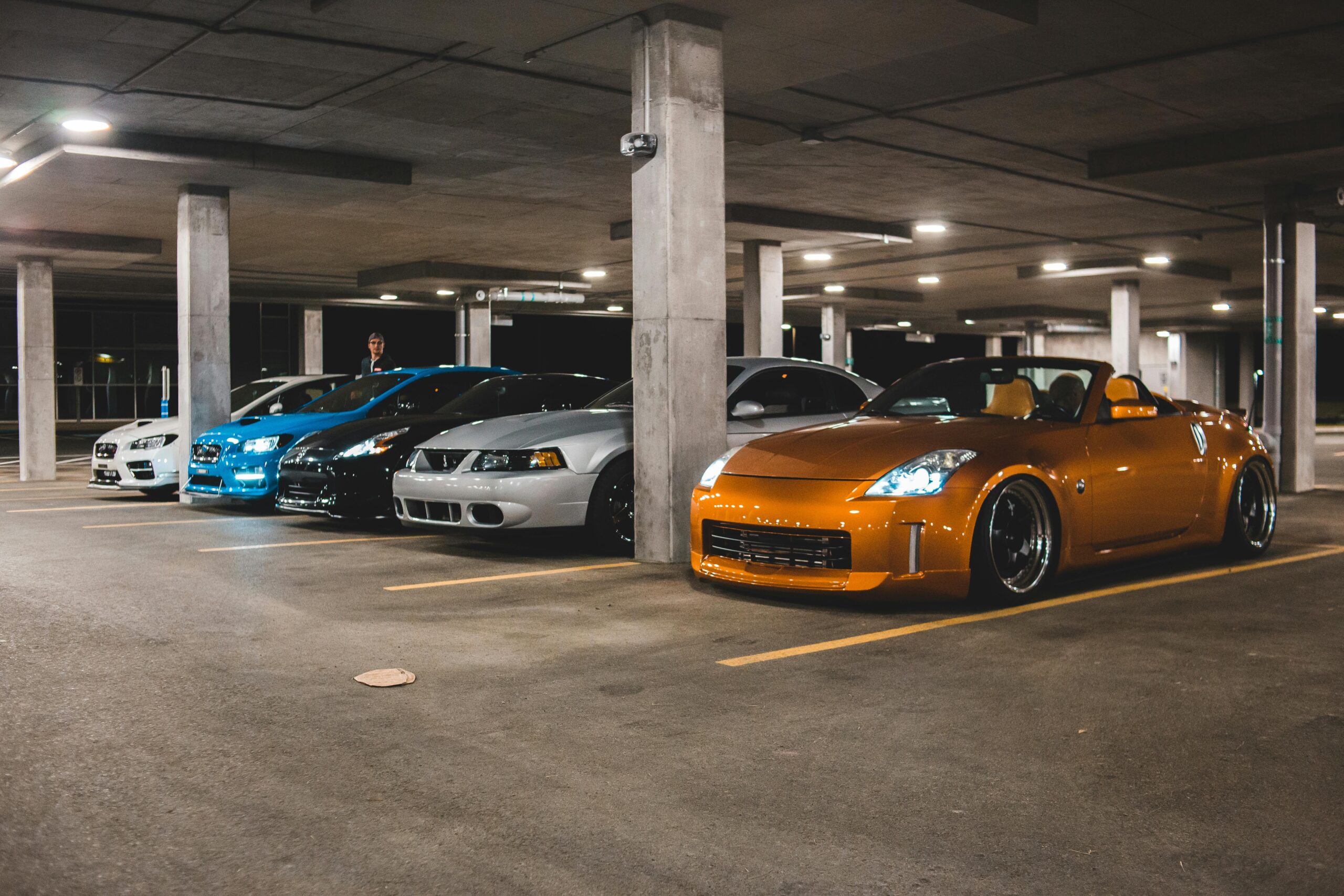
- A good venue — industrial estates with flat surfaces and early morning privacy, multi-storey car parks with interesting architecture, airfields, private land. The venue sets the mood more than almost anything else
- An organiser who communicates — start time, end time, what to expect, where to park. Meets that have clear organisation attract better attendance and better behaviour
- A community that polices itself — the best meets have an unspoken but enforced code of conduct. No burnouts in the car park. Respect the venue. Don’t rev on residential streets. The community protects its own access by behaving well
- Consistent frequency — monthly meets build communities. One-off events build Instagram posts
How to Find Car Meets Near You in 2026
The discovery problem has been largely solved. Here is where to look: Instagram — search your city plus “car meet”, “car show”, or “cars and coffee”. Look for accounts that post regular event content rather than just car photography. Follow local photographers — they almost always attend the same meets regularly and will tag the location. Facebook Groups — still the most reliable place to find organised local meets, particularly for older enthusiast communities. Search for your region plus the type of car you drive or are interested in. Clubs and registers — if you drive a specific make or model, the official club or owners register almost certainly runs events. These tend to be the best-organised and most welcoming meets for new attendees. Cars and Coffee — the Cars and Coffee format — informal, early morning, coffee-focused, all welcome — has expanded enormously and now operates in hundreds of cities worldwide. Search “Cars and Coffee” plus your city to find your local chapter. Meetup.com — underused by the automotive community but increasingly active. Search “cars” or “automotive” in your location.If You Want to Start Your Own Meet
Starting a meet in 2026 is genuinely straightforward. The barriers are lower than they have ever been. Here is what actually matters:- Find a venue first — approach industrial estate managers, business park owners, or airfields on weekday mornings when they are receptive. Explain what a car meet is and emphasise the organised, family-friendly format. Many will say yes, particularly if there is a small hire fee involved
- Start small on purpose — twenty cars your first meet is a success. Two hundred your third meet is a phenomenon. Build gradually so you can manage quality and venue relationships
- Create an Instagram account before the first event — document the planning, post the venue announcement, build anticipation. The content you create before the event is as important as the event itself
- Set the tone explicitly — post your code of conduct publicly. No drifting, no burnouts, respect the venue, out by the stated end time. State it clearly and enforce it gently. The community will follow
- Partner with a photographer from day one — great photography is the marketing engine for every subsequent meet. Find a local automotive photographer and offer them free access in exchange for a gallery they can post and tag
The Bigger Picture
Car meets 2026 represent something more interesting than nostalgia. They are evidence that physical community — actual humans in the same space, sharing a specific interest — is something people are actively seeking after years of digital substitutes. Cars are unusually good at creating that community. They are personal objects that reflect personality. They are conversation starters with built-in depth. They exist in the physical world and reward physical presence in a way that screen-based hobbies do not. The meets are coming back because the culture never left. It just needed a better format. See our guide to the best used sports cars under $25,000 if a meet has inspired your next purchase, and our best mods under $500 guide if you want to make your current car more meet-ready.Frequently Asked Questions
Are car meets legal in 2026?
Organised car meets with venue permission are entirely legal in virtually every jurisdiction. Informal gatherings on public roads or in private car parks without permission can attract police attention or result in dispersal, particularly if noise complaints are received. The safest approach is always to attend or organise meets on private land with explicit permission from the venue owner.
Do I need a modified car to attend a car meet?
No. Most car meets in 2026 welcome any vehicle, modified or stock. Some themed meets focus on specific styles — JDM, stance, classic, track-prepped — but the majority operate on an all-welcome basis. The common denominator is enthusiasm for cars, not the specification of any particular vehicle.
What is Cars and Coffee?
Cars and Coffee is an informal car meet format that originated in Southern California in the early 2000s and has since expanded worldwide. The format is simple: attendees gather early on a weekend morning, drink coffee, look at cars, and disperse by mid-morning. It is intentionally low-key, welcoming to all vehicles, and free to attend. Hundreds of chapters now operate globally.
How do I find car meets near me?
Instagram is the most reliable discovery tool in 2026 — search your city plus “car meet” or “cars and coffee”. Facebook Groups are valuable for finding established local communities, particularly for specific makes or models. Local automotive clubs and owner registers also run regular events that welcome non-members at many of their gatherings.
What should I bring to my first car meet?
A clean car, cash for any entry fee or coffee, and a willingness to talk to people. Serious camera gear is welcome but a phone camera is equally acceptable — most meets are photographed extensively and the community is generally generous about sharing images. Arrive on time, park considerately, and leave the venue cleaner than you found it.