This article contains affiliate links. If you purchase through these links Velox may earn a small commission at no additional cost to you.
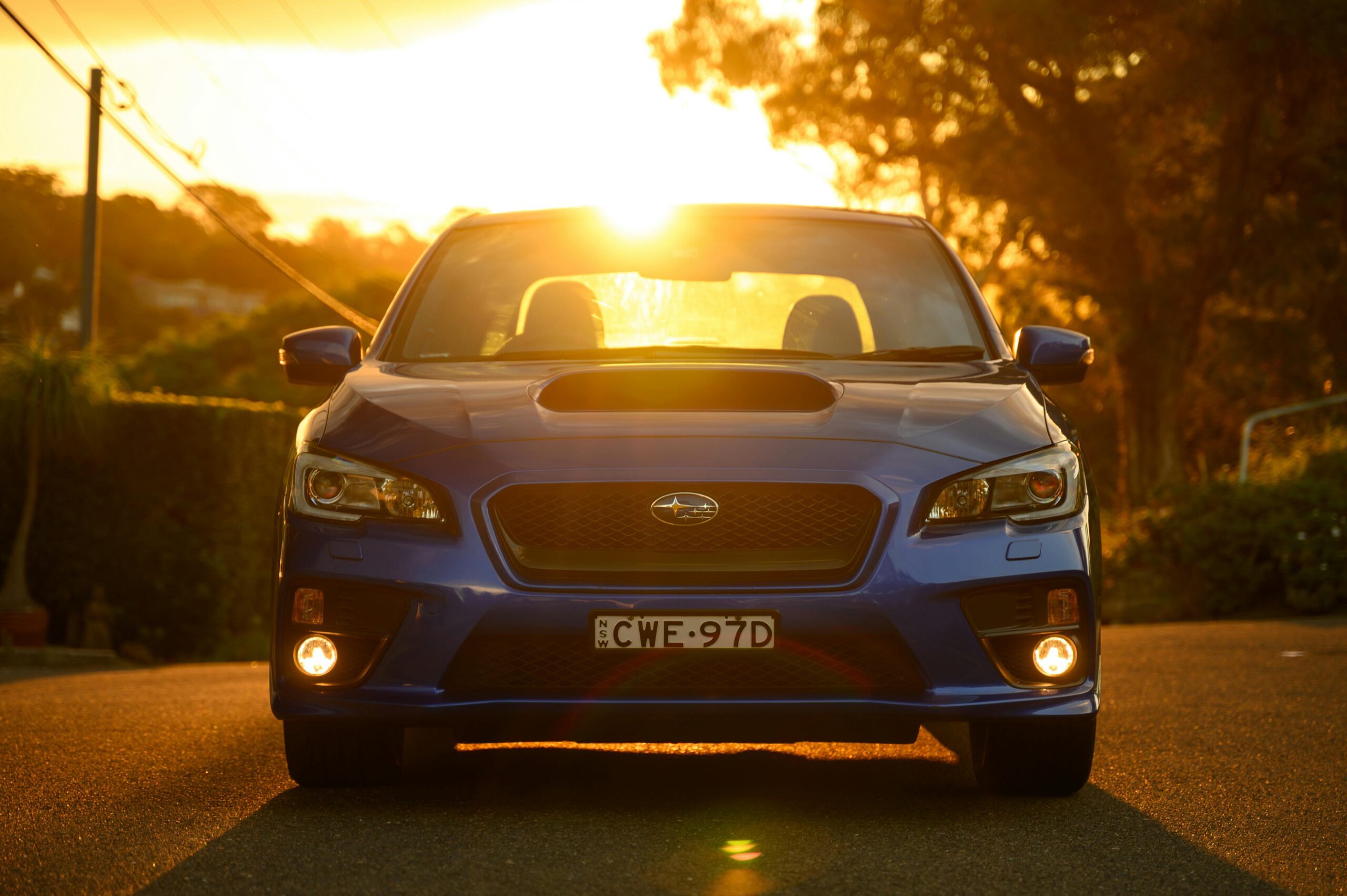
The 2015–2021 Subaru WRX is one of the most compelling used performance cars available at any price point. All-wheel drive, a turbocharged four-cylinder, genuine performance credentials, and the ability to seat four adults comfortably — no other car in this price range does all of those things simultaneously. This Subaru WRX buying guide covers everything you need to know before spending money on one — the good, the bad, the known failure points, and exactly what to check before any money changes hands.
If you are still deciding between the WRX and other performance options at this price point, our best used sports cars under $25,000 guide covers the full competitive landscape. Once you have found the right car, our used car negotiation guide covers exactly how to pay less for it.
Why the 2015–2021 WRX Is Worth Considering
The VA generation WRX represents a genuine performance car that functions as a practical daily driver. The FA20DIT turbocharged four-cylinder produces 268 horsepower and 258 lb-ft of torque — genuinely fast numbers that translate to real-world performance in any weather condition.
What makes this Subaru WRX buying guide particularly relevant right now is the price. Clean 2015–2018 examples have settled into the $18,000–$23,000 range. The 2019–2021 examples with updated styling sit between $22,000 and $27,000. For a performance AWD car with a proven reliability record and an enormous aftermarket this represents exceptional value.
The WRX attracts enthusiasts — which means the used market is full of modified examples. This is not automatically a problem. But it requires careful buying. A well-maintained stock WRX is a very different proposition from one that has been pushed hard on a cheap tune. This guide will help you tell the difference.
2015–2021 WRX Model Year Breakdown — What Changed and When
2015–2016: The first years of the VA generation. FA20DIT engine producing 268 horsepower. 6-speed manual or CVT automatic. Some early build quality issues particularly around interior trim and infotainment. These are the most affordable entry points into the generation.
2017–2018: Minor refinements to the suspension tune and interior. The 2018 model year introduced Apple CarPlay on higher trims — a meaningful improvement to the infotainment experience. This is the sweet spot of the generation for most buyers — early enough to be affordable, late enough to have the refinements sorted.
2019–2021: Updated exterior styling with a more aggressive front end. EyeSight driver assistance technology available on automatic models. The mechanical package remained largely unchanged but the build quality and interior materials improved meaningfully. These command a premium but represent the best version of the VA generation.
Manual vs CVT: This Subaru WRX buying guide has one non-negotiable recommendation — manual transmission only. The CVT automatic fitted to WRX models has a well-documented reliability record that falls significantly below the manual. CVT failures are expensive and the automatic eliminates the mechanical engagement that makes the WRX worth owning. Always buy the 6-speed.
Subaru WRX Buying Guide — What to Inspect
The WRX attracts performance enthusiasts and the used market reflects this. Before any purchase run through this inspection sequence completely.
Engine Oil Condition and History
The FA20DIT engine’s longevity is directly tied to oil change frequency. Pull the dipstick and check the oil condition — dark or gritty oil on a car with documented service history is a red flag. Check for service records showing oil changes every 3,000–5,000 miles with the correct full synthetic specification.
Oil changes on the WRX are straightforward with the right filter. A Subaru WRX oil filter and quality full synthetic oil is all you need — budget for this every 4,000–5,000 miles as a new owner and the FA20 will reward you with long-term reliability.
Engine Bearing Wear
Connecting rod bearing wear is the most significant mechanical concern on the FA20DIT. It occurs primarily on cars with infrequent oil changes or extended high RPM use on degraded oil. Symptoms include a knocking sound from the engine particularly at startup or under load. Any knocking from the engine should be treated as a serious concern — walk away.
A car with documented frequent oil changes using correct specification oil is significantly lower risk for bearing wear. This is the single most important maintenance item to verify on any used WRX purchase.
Turbo and Intercooler Condition
Check for oil in the intercooler pipes — a small amount is normal but significant oil pooling indicates a failing turbo seal. Start the car from cold and check for blue smoke from the exhaust on startup — another indicator of turbo seal failure. A healthy turbo should build boost smoothly with no hesitation or unusual sounds under load.
Transmission and Clutch
On manual cars check clutch engagement carefully. The clutch on WRX models driven hard wears faster than on a standard road car. Signs of a worn clutch include slipping under hard acceleration, high engagement point, and burning smell after spirited driving. Budget for a clutch replacement on high mileage examples.
The 6-speed gearbox itself is robust. Check for smooth engagement through all gears during the test drive — any grinding or resistance to finding a gear indicates wear that should be factored into your offer.
OBD2 Diagnostic Scan
Before making any offer plug in an OBD2 scanner and check for stored or pending fault codes. The WRX’s engine management system stores codes that sellers cannot permanently clear — anything showing up is a real issue worth investigating. Common codes to watch for include boost control faults, knock sensor codes, and oxygen sensor issues.
Suspension and Chassis
The WRX’s suspension takes significant stress, particularly on cars that have been driven enthusiastically. Check for clunking from the front end over bumps — worn sway bar end links and front strut mounts are common wear items. Check tyre wear patterns — uneven wear indicates alignment issues or worn suspension components.
Proper suspension work requires a quality torque wrench — essential for any suspension or wheel work to correct specification. If you plan to do your own maintenance this is a non-negotiable tool to have.
All-Wheel Drive System
The WRX uses Subaru’s Symmetrical AWD system. Test the AWD on a variety of surfaces during the test drive. Any vibration, shuddering on tight turns, or resistance in the drivetrain warrants further investigation. Mismatched tyre sizes across axles can cause significant damage to the AWD centre differential — check that all four tyres are the same brand, size, and have similar tread depth.
Modifications — The Most Important Check
Modified WRX examples are everywhere. Here is how to evaluate them properly in this Subaru WRX buying guide:
Ask for all receipts. Every modification should have documentation — what was done, who did it, when, and what parts were used. A car with $5,000 of modifications and zero receipts is a liability.
Ask which ECU tune is on the car. An untuned car with bolt-on modifications — intake, exhaust, intercooler — running on a stock map is running lean and can cause engine damage. A properly tuned car with documented professional work is a different situation entirely.
Stage 1 is low risk. An intake and tune from a reputable company like Cobb Accessport is a well-understood, reversible modification that adds power safely. Ask for the Cobb device if it is still with the car.
Stage 2 and beyond requires more scrutiny. A downpipe, intake, intercooler, and tune on a WRX adds significant power. Ask who tuned it, when the tune was done, and whether a dyno sheet is available. A professional tune with supporting documentation is acceptable. An unknown tune on unknown parts is not.
Known Issues on the 2015–2021 WRX
Every platform has known issues. Here is what to expect on a used VA WRX:
- Engine bearing wear — the most serious concern, directly linked to oil change frequency. Documented service history is non-negotiable
- CVT reliability — avoid automatic models entirely for this reason
- Infotainment on early models — the 2015–2017 infotainment is dated and slow. The 2018+ update with Apple CarPlay is meaningfully better
- Clutch wear on driven examples — budget for replacement on cars over 60,000 miles that have been used enthusiastically
- Sway bar end links — common wear item, inexpensive to replace, check for clunking
- Head gaskets — less of an issue on the FA20 than older Subaru engines but worth checking coolant condition and looking for any white smoke from the exhaust
What a Good Used WRX Looks Like
In this Subaru WRX buying guide the ideal used purchase looks like this: a 2017–2019 manual transmission example with under 70,000 miles, complete service history showing oil changes every 4,000–5,000 miles with full synthetic, either completely stock or with documented professional modifications, clean OBD2 scan, and a pre-purchase inspection from an independent Subaru specialist confirming no bearing knock or drivetrain issues.
That car at $20,000–$23,000 is one of the best value performance purchases available in the current used market.
What to Avoid
- CVT automatic models — non-negotiable, avoid entirely
- Any car with engine knock — bearing wear is expensive and potentially terminal
- Modified cars without documentation — receipts and tune documentation are mandatory
- Mismatched tyres across axles — indicates potential AWD damage
- Cars with no service history — the FA20’s longevity depends entirely on oil change frequency
- First owner examples with very high mileage — high mileage in few years of ownership suggests hard daily use
The WRX Ownership Experience
A properly maintained WRX is one of the most rewarding daily drivers available at this price. The AWD system inspires genuine confidence in all weather conditions. The turbocharged engine pulls hard through the rev range. The chassis communicates well and rewards careful driving. And unlike most performance cars it will comfortably carry four adults and their luggage.
Running costs are reasonable for a performance AWD car. The FA20 returns 22–27 mpg in mixed driving. Insurance is typically moderate. Parts are widely available and independent Subaru specialists exist in most cities.
For those who want to modify after purchase, the WRX platform has one of the most developed and well-documented aftermarket bases of any performance car. A quality cold air intake is one of the first and most effective modifications — improving throttle response and induction sound on the FA20 immediately. For a full breakdown of the best first modifications see our best car mods under $500 guide.
Subaru WRX Buying Guide — Price Expectations in 2026
| Year | Mileage | Condition | Expected Price |
|---|---|---|---|
| 2015–2016 | 60k–90k miles | Good, stock | $17,000–$20,000 |
| 2017–2018 | 50k–80k miles | Good, stock | $19,000–$23,000 |
| 2019–2020 | 40k–70k miles | Good, stock | $22,000–$26,000 |
| 2021 | 30k–60k miles | Good, stock | $24,000–$28,000 |
Frequently Asked Questions — Subaru WRX Buying Guide
The FA20DIT engine in the 2015–2021 WRX is reliable when properly maintained. The key variable is oil change frequency — cars with documented oil changes every 4,000–5,000 miles using full synthetic oil regularly exceed 150,000 miles without major issues. The main reliability concerns are engine bearing wear on neglected examples and CVT automatic transmission failures, which is why this buying guide strongly recommends manual transmission models only.
Mileage matters less than maintenance history on the WRX. A 90,000 mile example with complete oil change records is a better buy than a 50,000 mile car with no documentation. That said, under 80,000 miles with full service history is the ideal range for a used WRX purchase. Above 100,000 miles budget for clutch replacement and have an independent mechanic specifically check for bearing wear before committing.
A stock WRX is the lower risk purchase. A properly documented modified WRX with receipts, professional installation, and a quality tune from a reputable company can be excellent value — you get the modifications at a fraction of what they cost new. The key is documentation. Never buy a modified WRX without full receipts and tune documentation. An undocumented modified WRX is one of the riskiest used car purchases you can make.
Yes — the WRX is one of the best daily driver performance cars available. The Symmetrical AWD system handles harsh winter conditions confidently. The back seat is genuinely usable for adults. Boot space is reasonable. Fuel economy of 22–27 mpg in mixed driving is acceptable for a performance car. The ride quality on stock suspension is firm but not uncomfortable. If you want a car that commutes during the week and performs at weekends, the WRX is one of very few options that does both convincingly.
They serve different buyers. The WRX wins on all-weather capability, straight line performance, and practicality. The GTI wins on interior quality, fuel economy, and refinement. If you live somewhere with harsh winters or regularly carry passengers the WRX makes more sense. If you prioritise driving feel and daily comfort the GTI is the stronger choice. We covered the GTI in depth in our ultimate MK7 GTI guide if you want a direct comparison.
Ready to buy? Download the free Velox Car Buying Checklist — 25 inspection points covering everything from cold start tests to negotiation walk-aways. Print it before you visit any seller.